
What is a Modular Home? Complete Definition & Guide
When exploring alternative and efficient ways to build a new home, you've likely encountered the term "modular home." But what exactly does that mean? In this comprehensive guide, we'll clearly define modular homes, explain how they differ from other factory-built options, and explore why they are becoming a top choice for modern homebuyers.
1) What is a Modular Home?
To establish a clear modular home definition, a modular home is a residence constructed indoors in a climate-controlled factory setting. It is built in sections, commonly referred to as "modules," which are then transported to the final building site. Once on-site, a builder assembles these modules on a permanent foundation.
When asking "what is modular housing," it is important to understand that these homes are built to the exact same local, state, and regional building codes (such as the International Residential Code or IRC) as traditional site-built (stick-built) homes. They are not temporary structures. Once fully assembled and attached to their foundation, they are legally considered real property. This modular housing definition means that for all intents and purposes—including zoning, appraisals, and financing—a modular home is treated identically to a traditional home.
Modular homes represent a significant evolution in the housing industry. Unlike traditional construction, where materials are exposed to the elements for months, modular homes are built in a controlled environment. This protects the lumber and other materials from rain, snow, and extreme temperatures, preventing warping, mold, and other weather-related damages. The precision of factory construction also means that modular homes are often built with tighter tolerances, leading to superior energy efficiency and structural integrity.
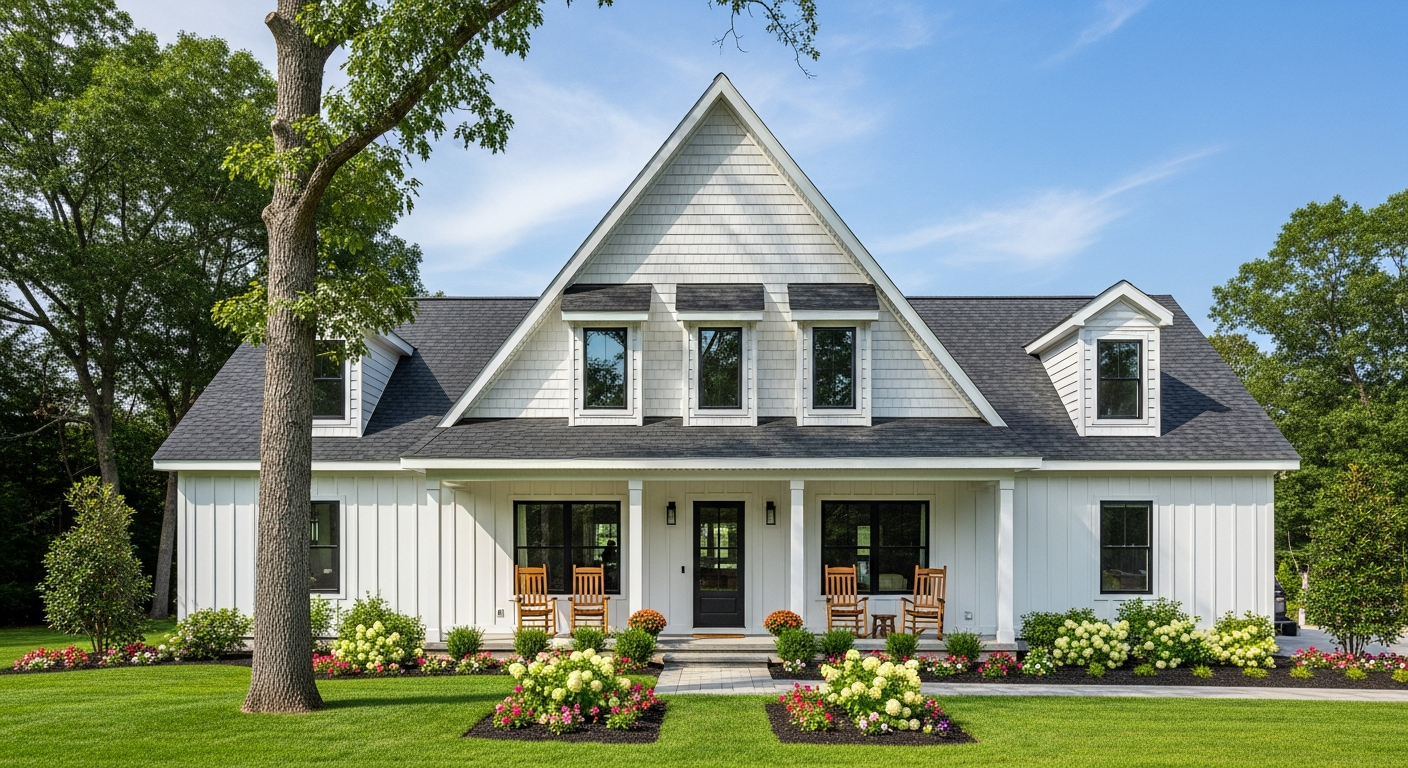
Furthermore, the term "modular" refers to the construction method, not the architectural style. A modular home can be designed to look like a traditional colonial, a sleek modern contemporary, a rustic cabin, or any other style you can imagine. The modules are essentially building blocks that can be configured in endless ways to create a custom home that meets your specific needs and aesthetic preferences.
When you define modular home, you are defining a process of building that leverages modern manufacturing techniques to produce high-quality, durable, and customizable homes. It is a method that is increasingly being recognized for its efficiency, sustainability, and potential to address housing shortages by delivering homes faster without compromising on quality.
2) Modular Home vs Manufactured Home
A common point of confusion is the difference between a modular home and a manufactured home. While both are built in a factory, the distinction is significant and has profound implications for zoning, financing, and long-term value.
A manufactured home is built to a federal building code administered by the Department of Housing and Urban Development (HUD), established in 1976. Manufactured homes are constructed on a permanent steel chassis, which allows them to be transported. Even if the wheels and axles are removed and the home is placed on a permanent foundation, that steel chassis remains. This fundamental structural difference dictates how the home is classified legally and financially.
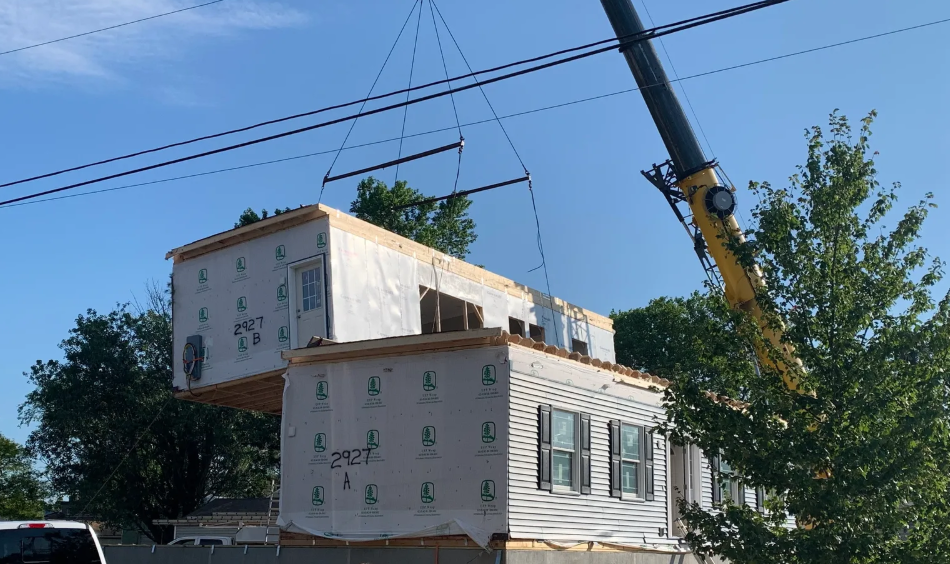
In contrast, modular homes are built to local and state building codes, just like site-built homes. They do not have a permanent steel chassis. Instead, they are transported on flatbed trucks and lifted onto a permanent foundation via a crane. Because they adhere to local building codes, modular homes do not face the same zoning restrictions or financing hurdles that manufactured homes often encounter. They are treated as real property, whereas manufactured homes are often treated as personal property (like a vehicle) unless specific legal steps are taken to convert them to real property.
When considering the modular homes meaning, it is crucial to recognize that modular homes appreciate in value similarly to site-built homes, while manufactured homes can sometimes depreciate, depending on the market and whether they are placed on leased or owned land. This distinction is vital for homebuyers looking at long-term investment potential and financing options.
Additionally, the design and customization options for modular homes are generally much broader than for manufactured homes. Modular homes can be multi-story, have complex rooflines, and incorporate high-end finishes that are indistinguishable from custom site-built homes. Manufactured homes, while offering affordable housing options, often have design limitations due to the constraints of the HUD code and the permanent chassis.
3) Modular Home vs Mobile Home
Understanding the true modular home definition also requires distinguishing them from "mobile homes." Technically, the term "mobile home" only applies to factory-built structures constructed before June 15, 1976, which is when the HUD code went into effect.
Today, the term is often incorrectly used interchangeably with manufactured homes. However, a true mobile home is an outdated structure that does not meet modern safety and building standards. These older homes were often built with lower quality materials and lacked the structural integrity required by modern codes. They are very difficult to finance through traditional mortgage programs and often do not appreciate in value.
Modular homes, on the other hand, represent the pinnacle of modern, efficient construction technology and are vastly superior in quality, durability, and value retention compared to historic mobile homes. Conflating the two is a significant misunderstanding of what a modern modular home represents. A modular home is a permanent structure, built to last for generations, utilizing advanced building science and high-quality materials.
When you ask what is modular housing, you are asking about a modern, sophisticated building process, not a temporary or mobile structure. Modular homes are permanently affixed to their foundations and become a lasting part of the community, just like any other traditional home.
4) How Modular Homes Are Built
The construction process of a modular home is a marvel of modern engineering and efficiency. Because they are built indoors, the materials are never exposed to rain, snow, or extreme weather, which prevents warping and mold. This controlled environment also allows for the use of specialized tools and assembly line techniques that increase precision and reduce waste.
Furthermore, the factory setting allows for strict quality control. Each module undergoes rigorous inspections at various stages of the building process to ensure it meets both the factory's standards and the required local building codes. This level of oversight is often difficult to achieve on a traditional construction site.
While the modules are being constructed in the factory, the local builder can simultaneously prepare the site and pour the foundation. This parallel processing significantly reduces the overall build time. A process that might take nine to twelve months for a site-built home can often be completed in a fraction of the time with modular construction.
Once the modules arrive on-site, a crane lifts them into place, and the local builder handles the final assembly. This includes connecting utilities, completing the roofline, and adding exterior finishes like porches, decks, or garages. The interior finishes, such as drywall, flooring, and cabinetry, are often mostly completed in the factory, requiring only final touch-ups on site.
This efficient building process is a key part of the modular housing definition. It offers a streamlined, predictable, and high-quality approach to homebuilding that is increasingly appealing to modern homebuyers who value both speed and quality.
5) Are Modular Homes a Good Investment?
Yes, modular homes are an excellent investment. Because they are classified as real property and built to the same codes as stick-built homes, they appreciate in value at the same rate as traditional homes in the same neighborhood. When it comes time to sell, a modular home is appraised using the same criteria and comparable sales as any other site-built home.
Additionally, modular homes are often more energy-efficient. The precision cuts and factory sealing result in a tighter building envelope, which reduces air leakage and can lead to significantly lower heating and cooling costs over the life of the home. This energy efficiency not only saves money but also adds to the home's resale value, as buyers increasingly prioritize sustainable and cost-effective living.
The structural integrity of modular homes is also exceptional. Because they must be built strong enough to withstand the stresses of highway transportation and being lifted by a crane, modular homes often contain up to 20% more framing material than a comparable site-built home. This robust construction makes them highly durable and resistant to extreme weather events, further protecting your investment.
When you consider the reduced construction time, the potential for lower building costs due to factory efficiencies, and the long-term appreciation and energy savings, it becomes clear that modular homes are a smart financial choice. They offer all the benefits of a custom-built home with added advantages in speed, quality control, and durability.
6) Can You Get a Mortgage for a Modular Home?
Absolutely. Because modular homes are treated as traditional real estate, they qualify for standard mortgage products, including Fannie Mae Conventional loans and FHA loans. Lenders recognize that modular homes are built to the same standards as site-built homes and therefore offer the same financing options and interest rates.
The most efficient way to finance a new modular home is through a One Time Close Construction Loan. This program combines the financing for the land purchase, the construction phase, and the permanent mortgage into a single loan with just one closing. This saves you time, reduces closing costs, and provides peace of mind with a locked-in rate and interest-only payments during the construction period.
Lower Mortgage specializes in providing these One Time Close Construction Loans specifically tailored for modular homes. Our expertise in this niche ensures a smooth and straightforward financing process, allowing you to focus on the exciting aspects of designing and building your new home. We understand the unique timeline and requirements of modular construction and work closely with you and your builder to ensure a seamless experience.
Whether you are a first-time homebuyer or looking to build your dream retirement home, financing a modular home is just as accessible as financing a traditional home, with the added benefit of streamlined construction loan options.
Ready to Build Your Modular Home?
Call Marco Garofalo at 856-223-7958 to check eligibility for a One Time Close Construction Loan today.
Get Connected